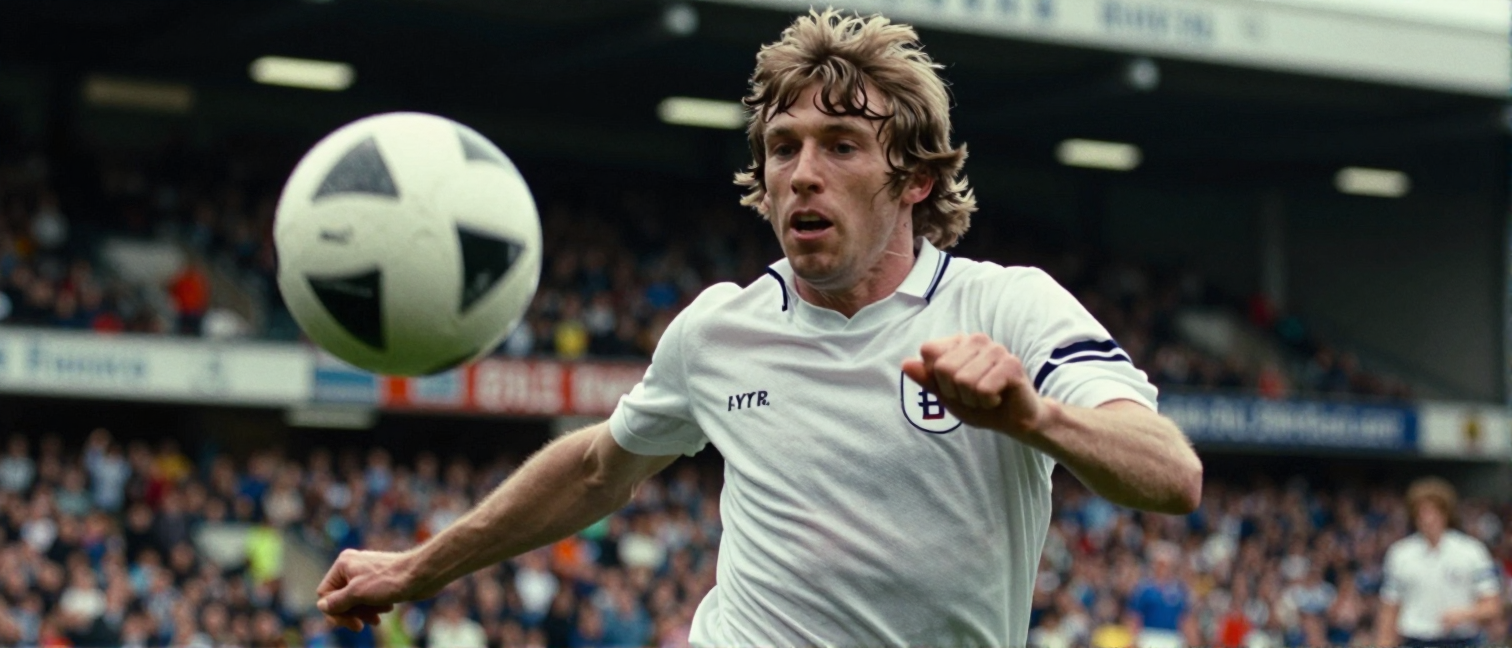
George Best’s 1968 European Cup winner’s medal fetched £323,000 at auction on 5 July 2026, far exceeding its £200,000 estimate and reigniting conversation about the icon’s legacy.
What happened?
The auction, held by a major UK auction house, listed the medal among dozens of sports memorabilia. Bidders were surprised when the item sold for £323,000, a record for a single football medal. The lot description noted the medal was awarded to Best after Manchester United’s triumph in the 1968 European Cup.
Why does it matter for George Best?
Best’s medal is more than metal; it symbolizes a generation that saw a footballer become a pop‑culture star. The sale highlights how his fame still commands high monetary value, even decades after his death. Fans and collectors view the medal as a tangible link to the night United lifted the trophy at Wembley, a moment that cemented Best’s mythic status.
How does the price compare?
Previous sales of historic football medals have hovered around £150,000‑£200,000. Best’s medal broke that ceiling by over £120,000, underscoring the premium placed on items tied to legendary figures. The auction house reported strong competition from overseas collectors, driving the final hammer price.
What does this say about memory and memorabilia?
The seller, who chose not to reveal their identity, suggested the decision was not driven by financial need but by a desire to let the medal live elsewhere. Some observers argue that the true worth lies in the stories attached to the piece, not the cash tag. Others see the sale as a reminder that iconic artifacts can become commodities in a market hungry for nostalgia.
Who else is watching?
Former teammates, including Sir Bobby Charlton, have previously spoken about the medal’s sentimental value. While Charlton is no longer alive, his past comments echo in today’s discussion: Best’s talent and lifestyle created a template for modern football celebrities like David Beckham.
What’s next for Best’s legacy?
The medal will likely appear in a private collection, possibly rotating through exhibitions that celebrate Manchester United’s 1968 triumph. Meanwhile, the story fuels ongoing debates about how best to preserve football heritage while respecting the personal memories attached to such items.
How does this affect collectors?
Collectors see the sale as a benchmark. Future auctions of Best‑related items may now aim for higher estimates, knowing that demand can push prices well beyond initial guesses. The market response could encourage owners of other historic football memorabilia to consider similar sales.
Any broader cultural impact?
Beyond the price tag, the auction sparked conversations on social media about the role of sports icons in shaping cultural identity. Younger fans, many of whom never saw Best play, learned about his influence through headlines about the medal’s sale, keeping his story alive for a new audience.
Where can fans see the medal?
At present, the buyer has not announced public display plans. Should the medal enter a museum or traveling exhibit, it would offer fans a rare chance to view a piece of football history up close, bridging the gap between past glory and present admiration.